

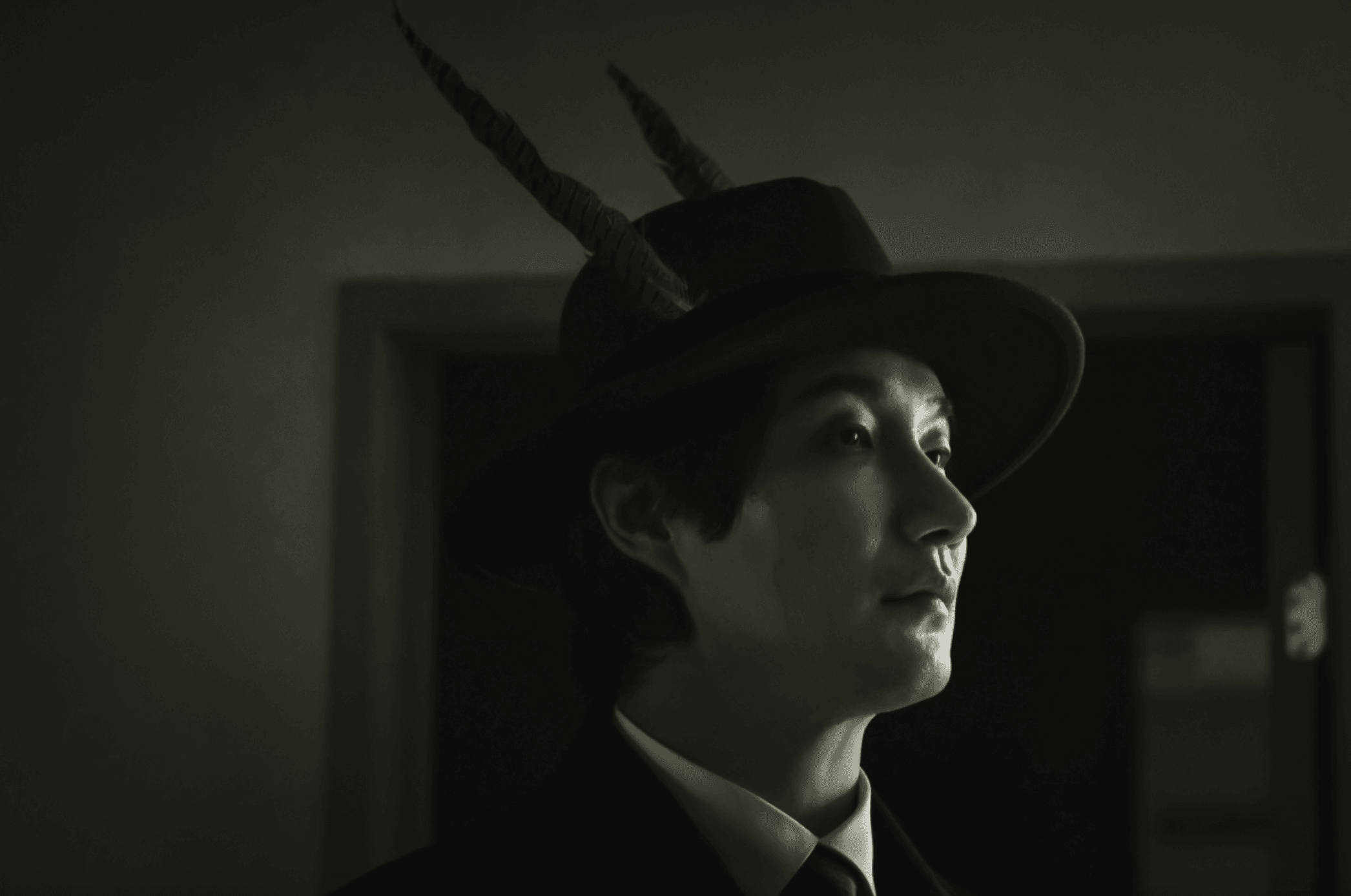
On paper, Yoon Eun-gyeong’s The Tenants seems tailor-made for me: a dystopian, Kafkaesque dark comedy horror set in a polluted, futuristic Seoul, exploring Korean social inequality through the absurdities of the housing market. This is exactly the kind of film I love and am drawn to, and to its credit, it has a lot going for it. The cinematography and use of black-and-white perfectly reinforce the film’s bleak, uncomfortable, and claustrophobic tone, while also solidifying the Kafkaesque universe these characters are trapped in. The performances are stellar across the board, with standout work from the mysterious and unsettling newlywed couple who bizarrely choose to rent and live in Shin-dong’s (Kim Dae-gun) bathroom. Best of all, The Tenants sticks the landing with a twist ending I genuinely didn’t see coming, providing a fitting, unsettling conclusion to the Kafkaesque story Yoon so masterfully crafted.
There’s a lot to admire about The Tenants on a technical level, and even from a narrative perspective in certain ways. However, the main issue holding the film back from being truly exceptional is its repetitiveness. While I understand that the cyclical nature is intentional, meant to emphasize the mundanity and monotony of Shin-dong’s life, it unfortunately employs this approach to make surface-level observations and commentary—points that have been explored before and in far more impactful ways, even within Korean cinema. It’s clear that films by Bong Joon-ho were a major influence on The Tenants. But unlike Parasite, which masterfully balanced an engaging, unpredictable story with sharp, scathing commentary on the deep inequalities within Korean capitalist society, The Tenants doesn’t offer much beyond simply pointing out how bad and unfair social and economic inequality is. It lacks the deeper substance needed to elevate its message.

While the surreal and eerie tone of The Tenants was striking enough to keep me somewhat intrigued, clearly borrowing from David Lynch’s Eraserhead, that alone isn’t enough to sustain a narrative from start to finish. I’m certainly no stranger to films that are strange or unsettling (many of my favorites could be described that way), but a film needs to offer more than just a haunting atmosphere or bizarre visuals. Unfortunately, the second act of The Tenants feels repetitive and aimless, to the point where it was a struggle to stay engaged. The unsettling nature wears thin when it isn’t supported by narrative momentum or thematic depth. Thankfully, the film regains its footing by the third act, so it’s not a complete slog, but that meandering middle stretch really tested my patience. For a film so invested in its surrealist approach, it still needs something substantial to carry the audience through, and at least for me, that second act nearly lost me.
Ultimately, while The Tenants is far from a perfect film, with its narrative flaws and half-baked commentary often dragging it down, it remains a movie worth watching and discussing. The technical aspects alone make it one of the more intriguing films to come out of Fantasia Fest, as it’s undeniably well-crafted. Yoon Eun-gyeong shows a lot of potential as a filmmaker, and despite the missteps here, I’m excited to see what she creates next. The Tenants may not hit every mark, but it’s a film that stays with you, flaws and all.
Rating: 6/10