

Gints Zilbalodis’ Flow is an interesting little film in terms of what it represents within the modern film animation industry. In many ways, it is a rejection of the generic, creatively bankrupt, and overbudgeted approach to animated storytelling that studios like Disney-Pixar and Dreamworks have invested in and prominently featured in many of their recent productions.
Just this year alone, animated films like Inside Out 2, The Wild Robot, and Moana 2 flaunt massive budgets that range between $70 and $200 million. Yet despite all that money and resources at their disposal, the result is half-baked, uninspired movies that take zero risks, offer nothing new or exciting for audiences to enjoy, and only exist as products for these studios to sell and make merchandise from.

Conversely, Flow has a much smaller budget of around $4 million, which was completed and rendered on Blender. Yet, despite working with less money and limited resources, Flow has much more to offer from a narrative and artistic perspective than any of the films I mentioned. When I watch a small yet creatively entertaining movie like Flow that was independently made by a group of artists who have something they want to express and don’tdon’t just want to create a product, it puts me into perspective just how sad of a state both the animation and film industry as a whole has become: maximizing profits and minimizing risks instead of delivering something fresh and unique that audiences may enjoy.
On paper, Flow is not a highly complex story.
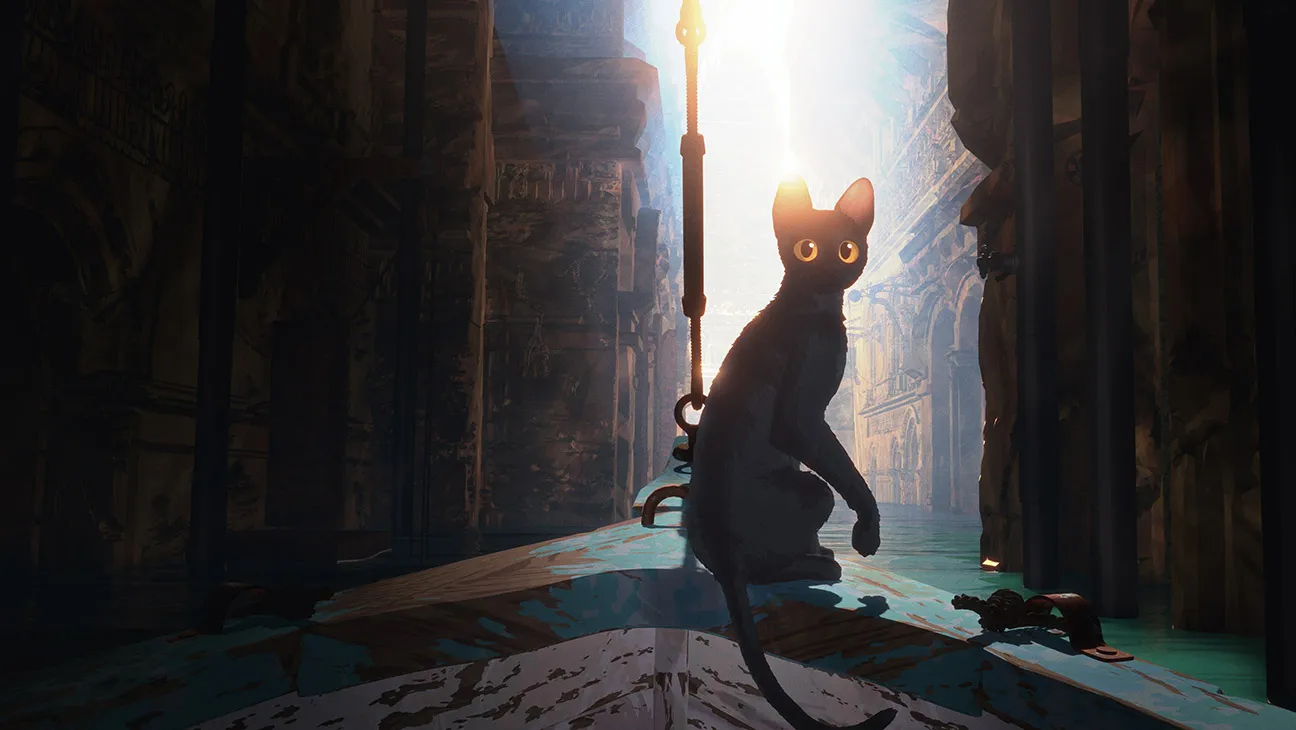
The film follows a black cat that survives a deadly tsunami and seeks shelter/transportation in a sailboat after the rising water levels destroy its home. Along the way, the black cat encounters other animals that also hitch a ride on the boat to avoid drowning, like a capybara, a lemur, a Labrador Retriever, and a secretary bird with a broken wing. While these reluctant companions don’t get along with each other at first, they slowly learn to work together to increase their chances of survival. As I said, the film does not have a particularly deep or complex story, but that is more than acceptable because it executes this simple concept to a masterful degree.

One of the most notable aspects of Flow is that its story is presented without any dialogue, and in my opinion, this was ultimately a wise decision that worked in the film’s favor. This movie doesn’t need dialogue to communicate what’s happening or the characters/animals’ emotions. It doesn’t treat the audience like they’re stupid by shoving pointless and explicit exposition down their throats.
We don’t need to be told what to feel when we see the black cat meow in terror as it helplessly swims for its life and tries to avoid drowning. We don’t need words to spell out what the animals are thinking/feeling when they argue or make conscious choices to save other animals stranded in trees or buildings. We don’t need dialogue to tell us when to feel excited, terrified, or sad because the visuals and the expressions on the animals’ faces are enough to communicate this information.
The story of Flow is not complicated to follow because the animation makes it simple and easily presentable. Why use dialogue to dumb down that simple yet effective narrative? It makes sense that Zilbalodis relies so heavily on visual storytelling because the film is breathtaking, especially when considering the resources the director and his crew were working with. The look and imagery alone make Flow a must-see movie on the big screen, and while it might not be as visually impressive as The Boy and the Heron or Spider-Man: Across the Spider-Verse, it’s still a technical marvel to admire.

It feels refreshing to see an animated film like this charmingly straightforward and heavily reliant on visual storytelling. It saddens me that there aren’t any more films like this. I mentioned before that Flow rejects the tiresome, profit-focused approach of producing animated films. However, I also wish it was the norm. Flow proves that a movie doesn’t need to be backed by a major Hollywood studio, featuring an all-star cast of expensive celebrity actors, or work with a ridiculously enormous budget to connect with audiences or craft a compelling story. It also showcases that it doesn’t need to rely on pointless exposition or drawn-out dialogue to present an understandable and persuasive narrative for children to follow.
Flow is a film I would have loved as a kid had it come out in the early 2000s. I’m sure younger audiences today would as well if it got a wider release. It’s such a charming, cute, and, most importantly, entertaining animated film that’s a joy to experience, and at a runtime of 1 hour and 25 minutes, it flies by. Flow is a movie worth watching and celebrating, hopefully, it gains traction with a nomination for Best Animated Feature during the awards circuit. I wish to see Gints Zilbalodis work with a larger budget to do whatever he wants next.
Rating: 7.5/10